

ESRA RUŞAN & GİZEM ERDEM
“DÜNYAYA RAĞMEN ÇALIŞIYORUZ”
Photographer: Fatih Metin Demirkol
IG: @fatihmetindemirkol
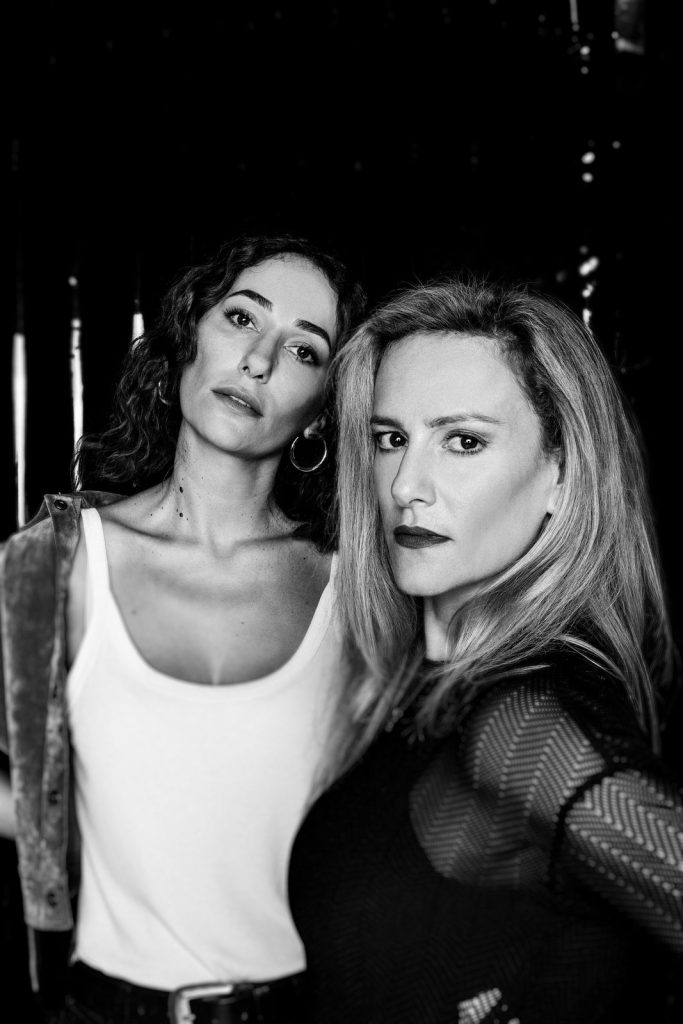
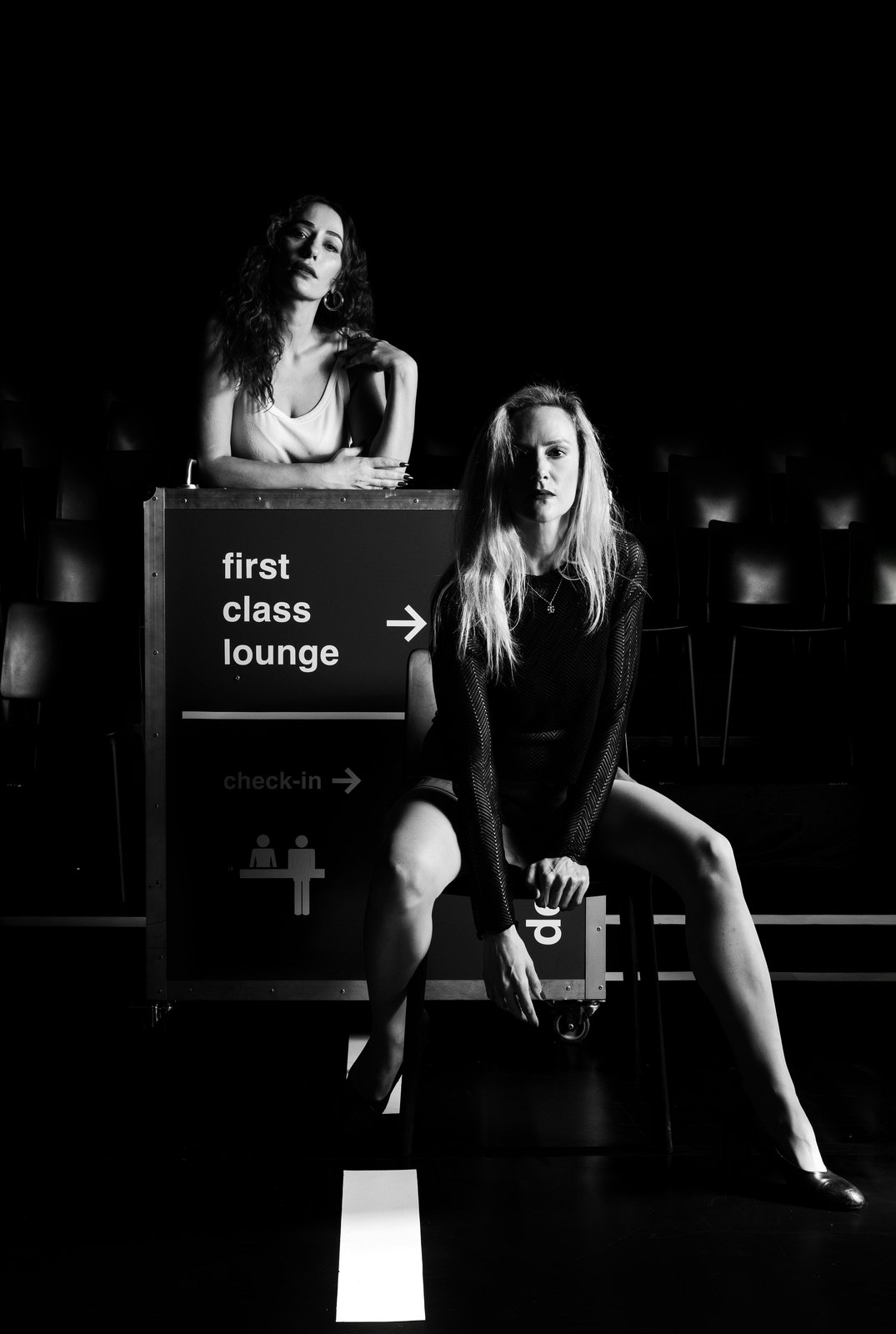
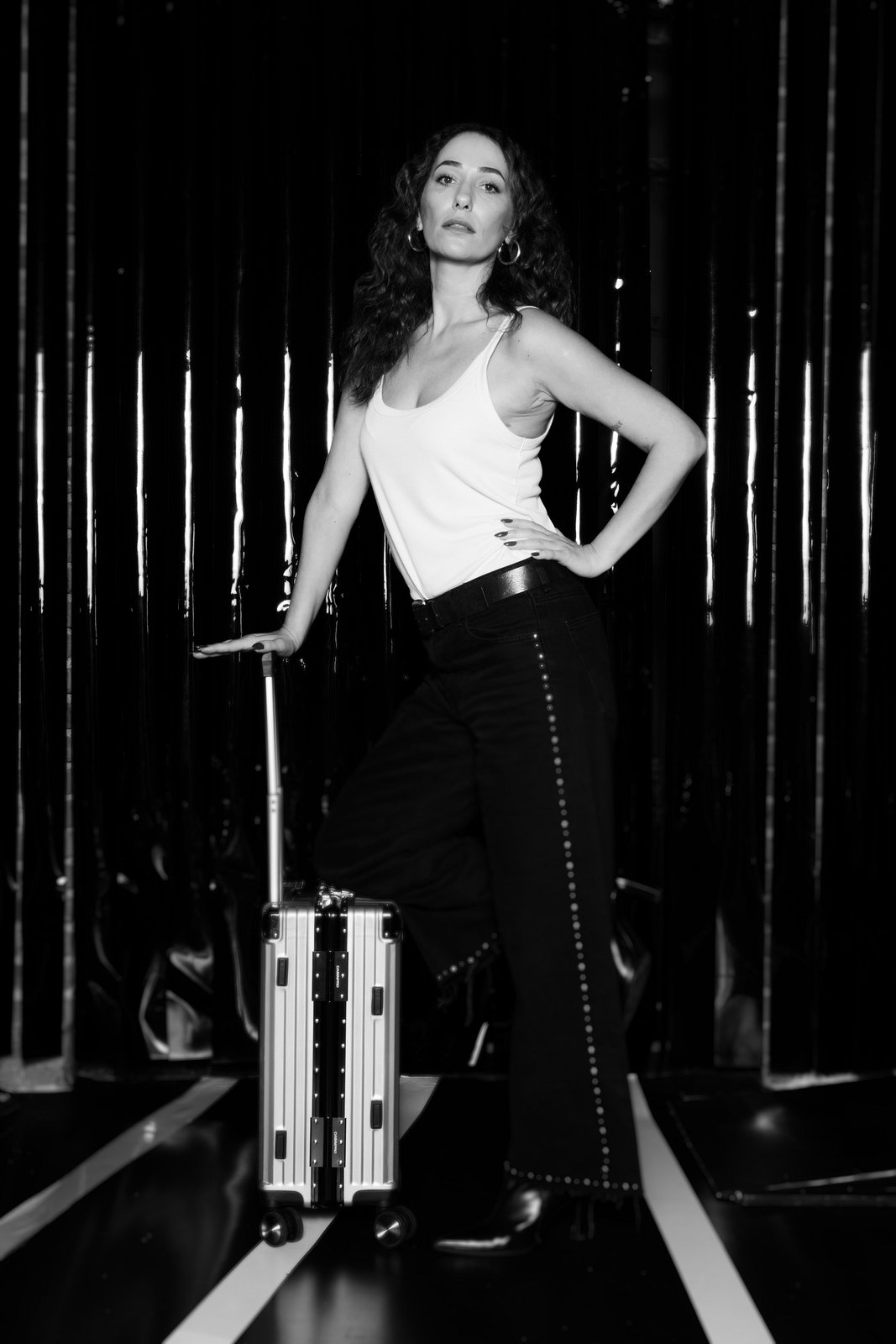
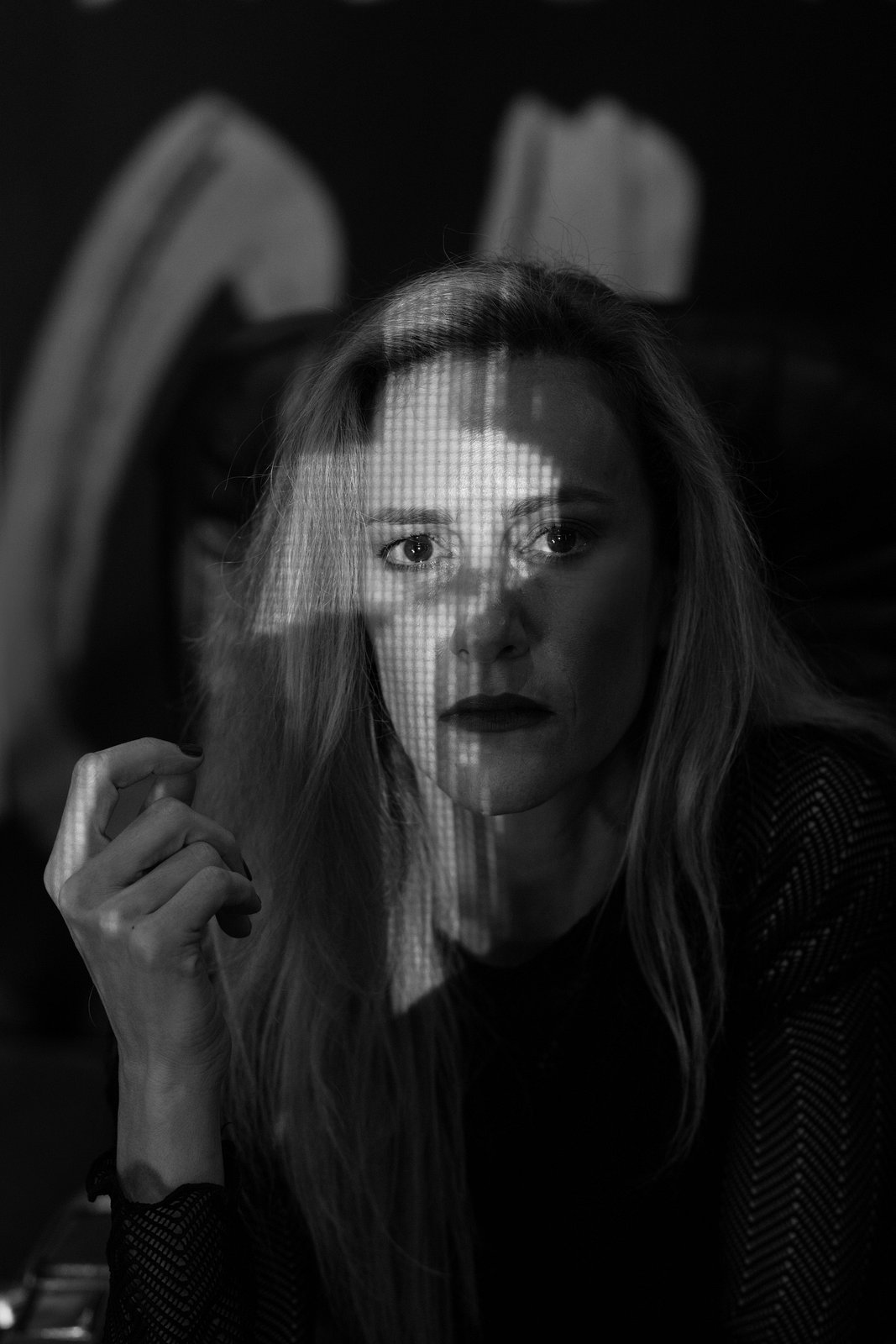
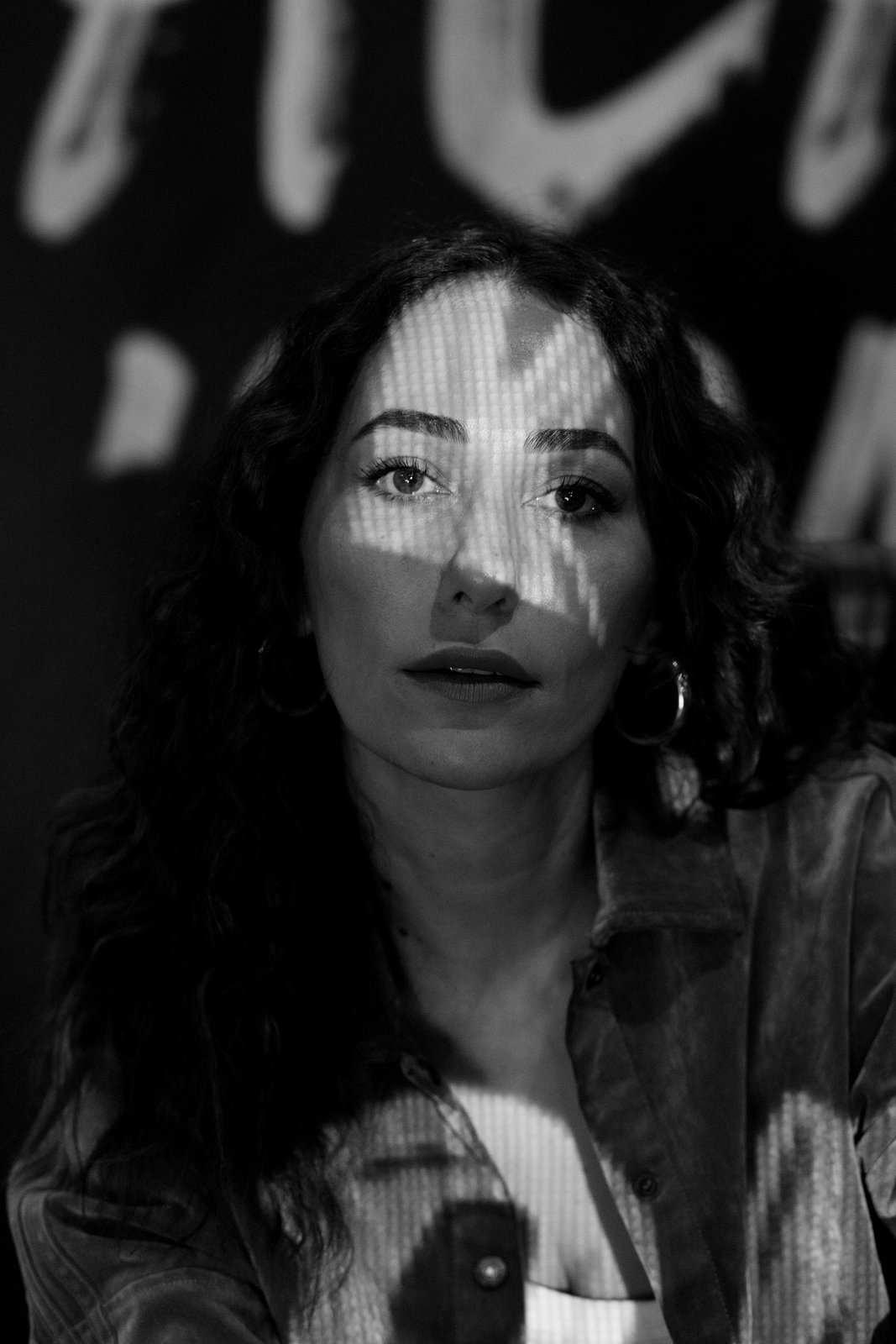
Craft’ın Yeter adlı oyununda iki hostesi canlandıran Esra Ruşan ve Gizem Erdem ile uzun bir sohbet bu. Aslında hayatta farklı seçimler yapmış ama şu an benzer noktalarda olan, benzer yaşlardaki üç kadının Türkiye’de kadın olmaya dair sohbeti. Biraz da “tiyatro ne için var”ı sorgulatıyor, hepimizin travmalarını masaya dökerek.
Röportaj: Heja Bozyel (Rasat Magazine)
A long form conversation with Esra Ruşan and Gizem Erdem, who portray the two hostesses in Yeter by Craft. Though shaped by different choices in life, the three women, of similar ages and now arriving at comparable emotional and intellectual ground, come together in a quietly incisive dialogue on what it means to be a woman in Turkey. The exchange unfolds as both a reflection and a reckoning, gently interrogating the very purpose of theatre while laying bare the personal and collective traumas we carry.
Interview by Heja Bozyel (Rast Magazine)
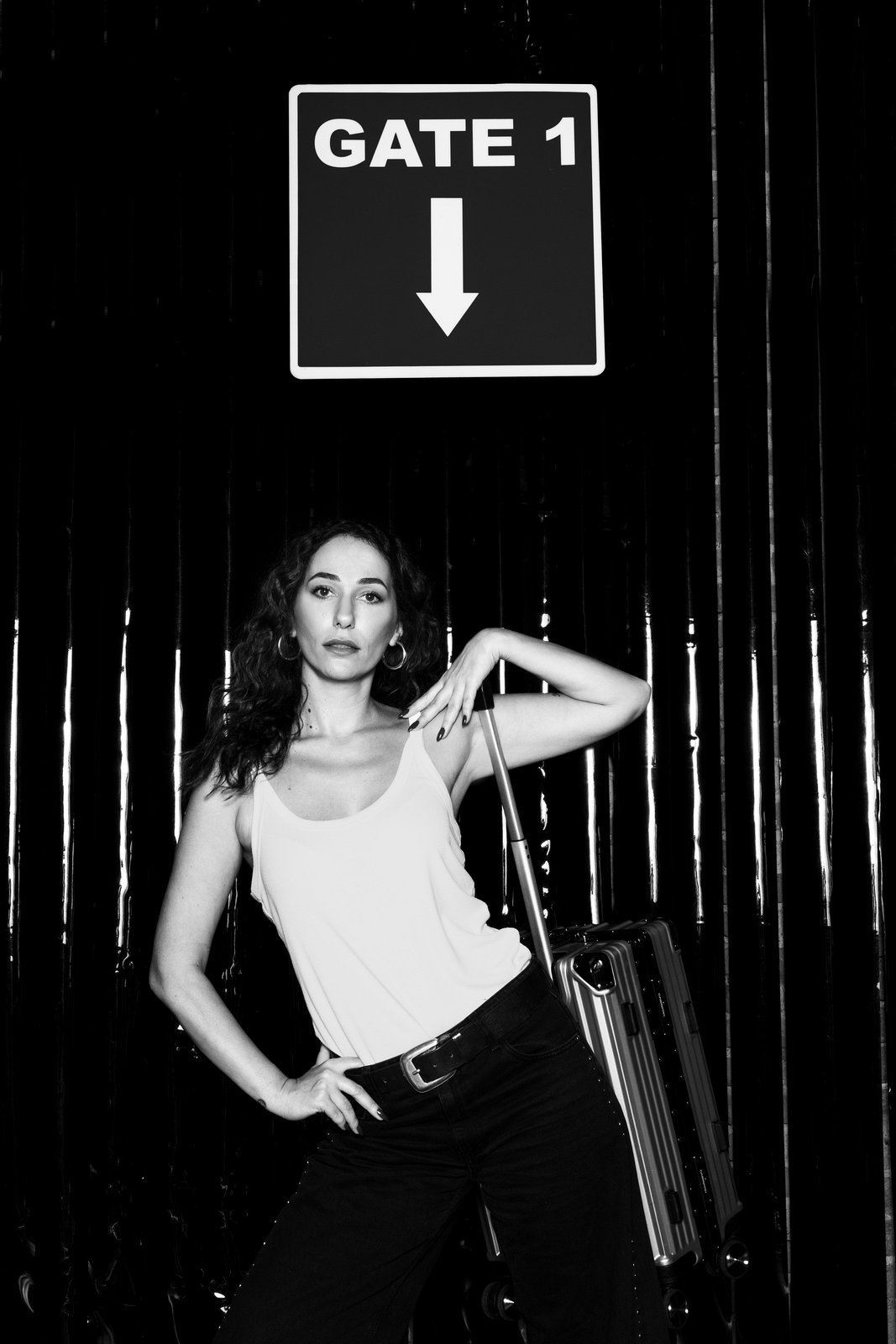

Stef Smith, keskin, sorgulatıcı ve güçlü feminist diliyle tanınan, ödüllü İskoç oyun yazarı, Yeter (Enough) ile yine etkisini hissettiriyor. Craft Tiyatro imzası ve son derece iyi bir ekiple Türkçe’ye uyarlandığında, oyunu hiç tereddütsüz “mutlaka izleyeceklerim” listesine almıştım. Oyun, girdikleri her ortamda dikkat çeken iki hostesin hikâyesini merkezine alıyor. Ancak izlemek, düşündüğümden aylar sonra mümkün oldu.
Oyun bittiğinde kendimi bir duvara yaslanmış, insanları izlerken buldum. Görülmek isteyen, görünmek için çaba harcayan ama yaşadığının yalnızca parlak yüzünü gösteren insanlar. Zihnim bir hafta önce yaptığım uçak yolculuğuna kaydı. Karşılaştığım tüm host ve hosteslere, hatta bugüne kadar fark etmeden geçtiğim anlara.
New York ile Los Angeles arasındaki bir uçuşta, American Airlines’ta çalışan ve mahalleden tanıdık bir samimiyetle konuşan o siyahi hostesi hatırladım. Herkesle şakalaşan, sıcak, doğal biri. Üşüdüğümü fark ettiğinde eğilip “Tatlım, uçakta battaniye yok ama istersen hırkamı verebilirim” diyen o anı. Türk Hava Yolları’nda zaman zaman mesafeli, hatta sert olabilen hostesleri düşündüm. Çocukluğumdaki hosteslerin zarifliğini, üniformalarının insanı bu mesleğe özendiren estetiğini. İç hat uçuşlarında hosteslere yönelen kaba, hadsiz tavırları, yer yer tacize ve şiddete varan davranışları. Ve Emirates’in yolcusuna kendini neredeyse ayrıcalıklı hissettiren o kusursuz hizmet anlayışını.
Stef Smith, the award winning Scottish playwright known for her incisive, interrogative, and distinctly feminist voice, brought forth Enough, a work I had confidently placed on my “must see” list last season when it was adapted into Turkish under the Craft Theatre banner with a formidable creative team. The play centres on the lives of two flight attendants, women who command attention wherever they go. Yet I only managed to see it months later.
When the performance ended, I found myself leaning against a wall, quietly observing the crowd. People eager to be seen, striving for visibility, yet revealing only the gloss of their lived experience. My mind drifted, unexpectedly, to the cabin crews I had encountered over the years. The hosts and hostesses from a flight I had taken just a week prior. Every flight attendant I had ever noticed, and perhaps failed to notice.
I thought of a flight between New York and Los Angeles, and the American Airlines attendant who carried herself with the warmth of a familiar neighbourhood figure, disarming, humorous, effortlessly kind. When she noticed I was cold, she leaned in and said, almost conspiratorially, “Darling, we do not have blankets on board, but I can give you my cardigan if you would like.” I thought, too, of Turkish Airlines attendants, occasionally distant, sometimes brusque, their uniformity punctuated by those unmistakable shoes. I remembered the poised elegance of the flight attendants from my childhood, their uniforms refined enough to inspire aspiration. I recalled, with discomfort, the coarse and entitled behaviour of certain passengers on domestic routes, at times veering into harassment, even aggression. And then there were the Emirates crews, whose composure and attentiveness made each passenger feel momentarily regal.

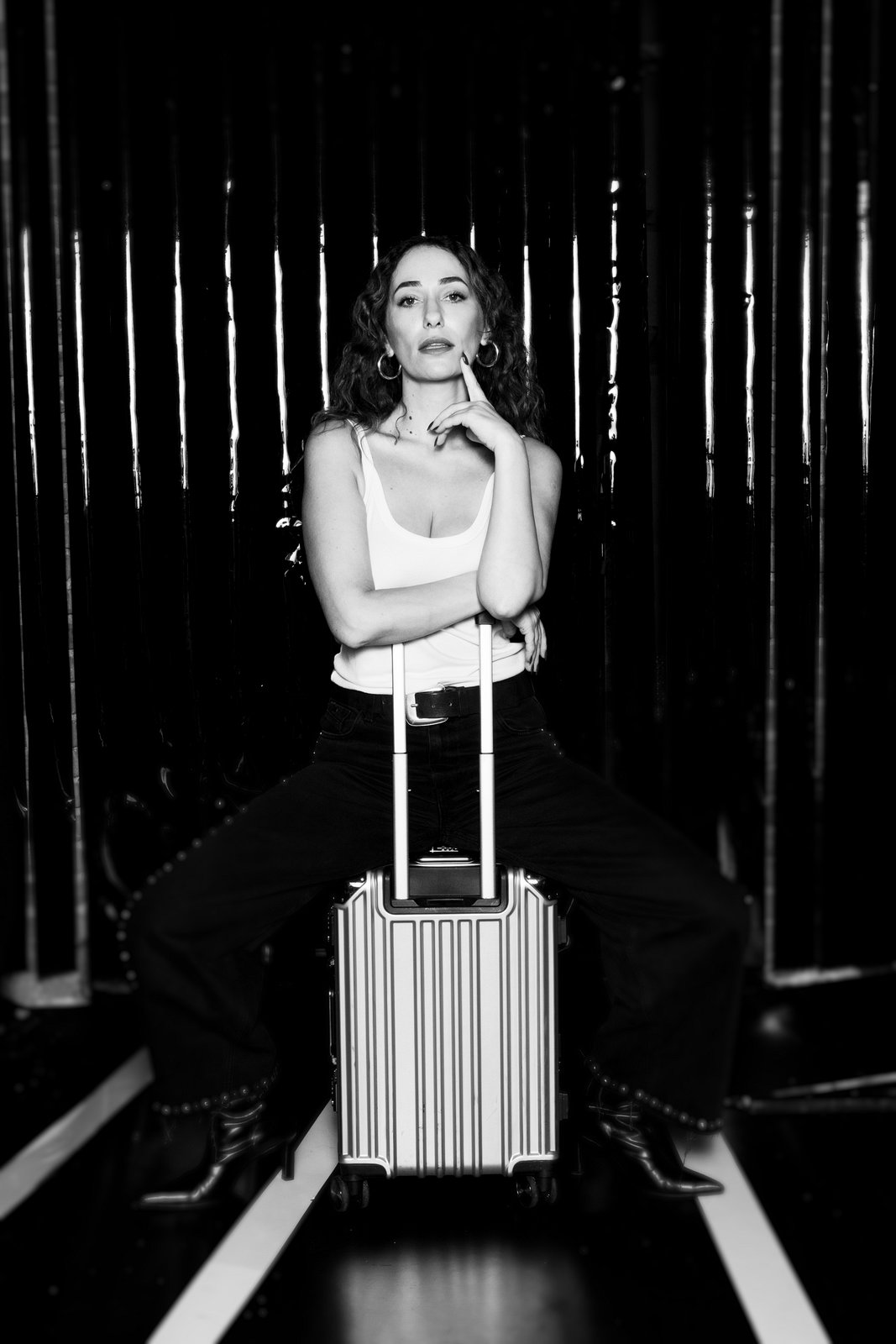
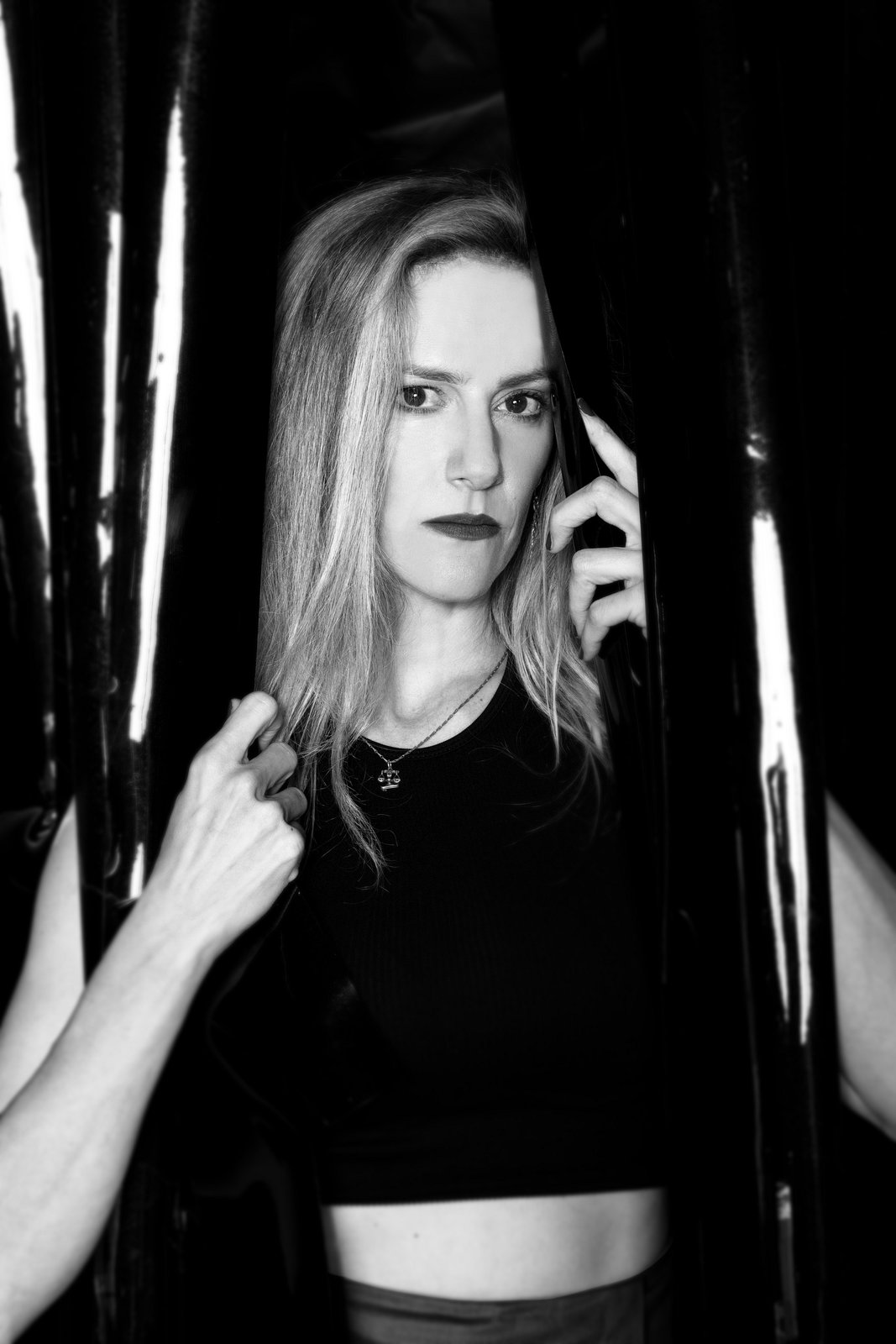
Sonra fark ettim ki uçakta, yolda, görev başındayken neler yaşadıklarını zaman zaman düşünsem de, uçak kapıları kapandıktan sonra döndükleri hayatları neredeyse hiç düşünmemişim. İç dünyalarını, zihinlerinden geçenleri, kalplerinde taşıdıklarını. Benim için onlar, hep bakımlı olmak zorunda olan, yönlendirmelerini çoğu zaman yarım yamalak izlediğimiz, aynı tonda konuşan, kusursuz figürlerdi. Influencerlar gibi.
Çocukken hosteslere duyduğum hayranlığın bir benzerini bugün çocuklar influencerlara duyuyor. Hep bakımlı, hep düzenli, hep kontrol altında görünen hayatlar. Oysa gördüğümüz yalnızca yüzey. Açılan paketler, küçük ritüeller, gündelik hayatın sahnelenmiş halleri. Herkes kemerleri bağlı otururken biz onları izliyoruz. Ama kimsenin aslında ne yaşadığını gerçekten bilmiyoruz.
Sosyal medyada hashtaglerle en görünür aktivist biz oluyoruz. Ama o görünürlüğün ötesinde, gerçek hayatta kaç kişi bir başkasına el uzatıyor. Kaç kişi, görünürlük ya da takdir beklentisi olmadan, yanındaki kadına gerçekten temas edebiliyor. Kaç kişi üniformasını çıkarıp sadece “elimi tut” diyebiliyor.
O duvar dibinde geçen birkaç dakika içinde, Instagram hayatları, İstanbul’un sosyal karşılaşmaları ve hostesler arasında beklenmedik bir bağ kurdum. Sessiz ama rahatsız edici bir süreklilik.
It occurred to me, standing there, that while I had often wondered what they endured in transit, I had rarely, if ever, considered the lives they returned to once the aircraft doors closed. Their inner worlds, their private concerns, the emotional landscapes they carried beneath those composed smiles. To me, they had remained figures of consistency, impeccably groomed, delivering rehearsed gestures we barely followed, speaking in measured tones that blurred into the background. Not unlike influencers.
As a child, I admired flight attendants in much the same way that children today are captivated by influencers. Always polished, always composed, presenting only the curated surface of lives we never fully see. The unboxing, the rituals, the small performances of daily life rendered aspirational. While “everyone remains seated with their seatbelts fastened,” we watch them. And yet, no one truly knows what anyone else is living through.
We perform activism through hashtags, each of us momentarily cast as the most visible advocate. But how many extend that advocacy beyond the screen. How many reach for the women in their immediate reality, offer a hand without the promise of visibility, recognition, or reward. How many would, in a moment stripped of audience, remove their own uniform and simply say, “hold my hand.”
In those few minutes by the wall, I found myself tracing an unlikely thread between the curated lives of Instagram, the performative choreography of Istanbul’s social scene, and the disciplined poise of flight attendants. A quiet, unsettling continuity.
Rast Magazine’in web sayfasında röportajın tamamını okuyabilirsiniz.
You can read the full interview on Rast Magazine’s website.
